Last month, we talked a big game about influencing your audience and building traction and engagement with a targeted niche of potential followers or customers, depending on your craft. That advice still holds, but as is the norm in the world of social media marketing, things change. Fast. Nearly eight years of algorithm overhauls, a pandemic era streaming boom, the rise of TikTok, and the arrival of AI powered content tools have transformed what held true when this post first ran in December 2018. Back then, “going live” simply meant flipping on Facebook’s camera icon.
Don’t abandon what you know about social media marketing. Stay current with the latest algorithm updates. These changes can affect your engagement. Tech bloggers and major publishers agreed that video was essential for social media marketing. In 2026, the data makes that clear. Short form video leads all content formats for marketing ROI at 49%. Long form video follows at 29%. Live streaming video ranks third at 25%. No non video format ranks among the top three. Video should remain a central part of your social media strategy. So why not take it up an extra notch and go live?
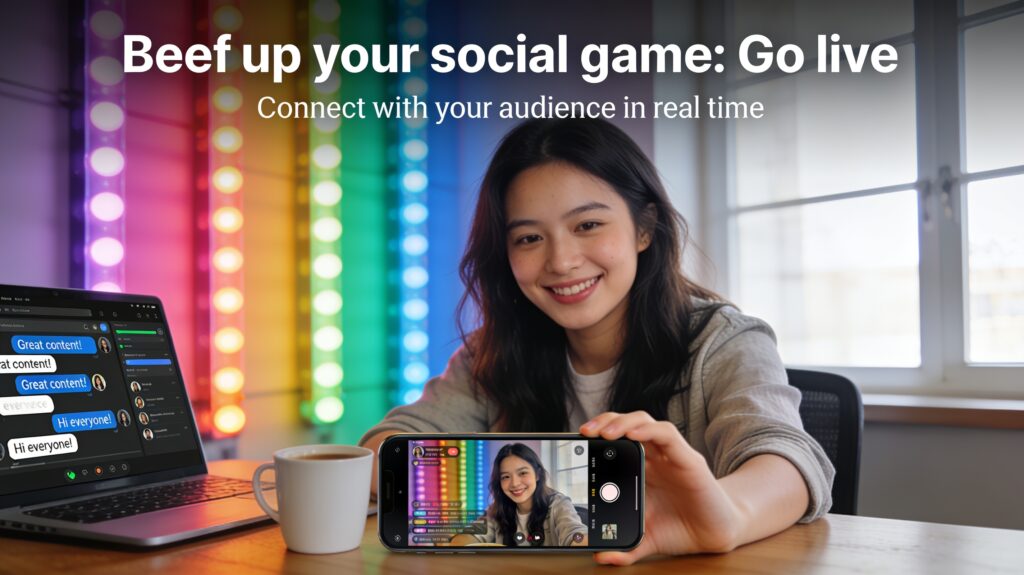
Facebook Live seemed daunting in 2018. It’s less intimidating now, most marketers have a phone, a ring light, and some on camera experience from years of Zoom calls and Reels. But despite what you’ve heard, every marketing whiz should still find the courage to go live for good reason and those reasons have only grown stronger.
Live video ditches the algorithm and the data proves it
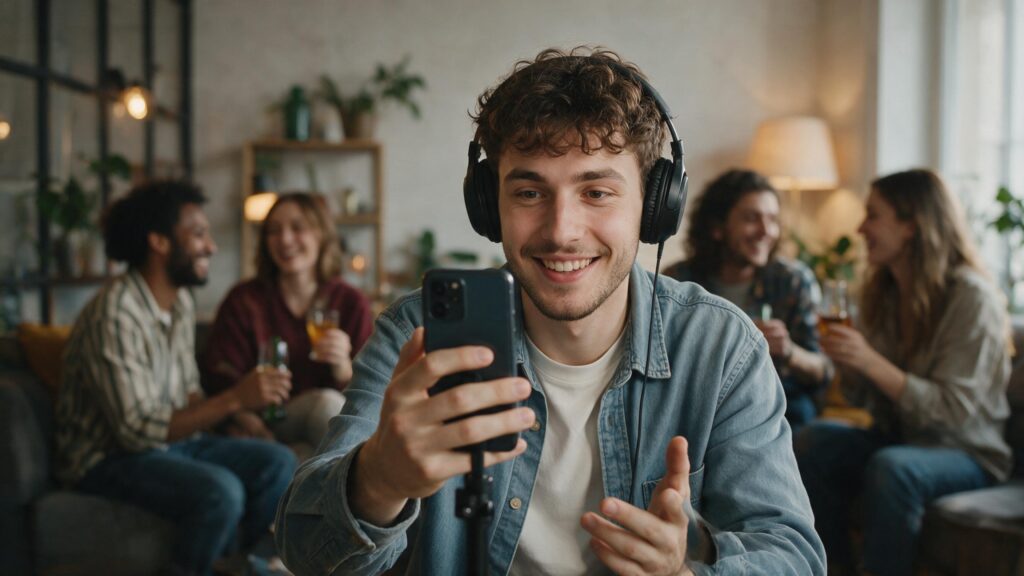
We weren’t sure how long this would last back in 2018. Facebook Live videos appeared on newsfeeds almost immediately. Followers found live feeds in about five minutes on average. That head start still matters today. Current benchmarks now support this approach with clear data. Live video generates the highest engagement among Facebook formats. It gets nearly four times more interaction than links. It also gets six times more interaction than static images. These figures come from median interaction data across thousands of brand accounts. That’s more effective than simply timing linked posts. It also beats relying on pre produced videos. Don’t just hope the algorithm reaches your target audience.
The catch is that Facebook itself isn’t the powerhouse it was in 2018. Facebook’s overall engagement rate has declined to roughly 0.15%, and video now makes up 24% of all brand content published on Facebook, with 22% of social users saying they’re most likely to interact with live video specifically on the platform. So going live on Facebook still works, but a modern social strategy spreads that live-first advantage across more channels.
LinkedIn Live generates 24 times more comments than standard native video. It also generates seven times more reactions. This creates a major opportunity for B2B brands and service businesses. A few years ago, many businesses avoided going live. Today, live video is a proven professional marketing tool. Instagram and TikTok also reward live sessions. They provide real time placement in followers’ feeds and send notifications. This approach is similar to what Facebook Live pioneered. Short form video now generates 2.5 times more engagement than long form content. This shows how social content has evolved since 2018. The instant, unfiltered, in the moment format once made Live special. In 2026, it has become a dominant social content format. It is no longer a niche tactic.
Subtitles are no longer optional, they’re the price of entry
Facebook still had issues to resolve with live video in 2018, but users could upload subtitles with any Facebook video. Since audio wouldn’t automatically play on a user’s news feed, it was important to make sure a talking head got their point across while that user was scrolling Facebook on mute in class, at a meeting, or on the bus. That instinct was ahead of its time. Today, it’s simply table stakes: 85% of social media videos play without sound, and Facebook found that 80% of viewers react negatively when videos autoplay with sound. That finding pushed nearly every major platform, including Instagram, LinkedIn, TikTok, and YouTube to default to silent autoplay.
Back then, Facebook loaded titles by scanning your video. You could edit them directly from there. It was considered an “invaluable five minute process.” Today, AI makes that process nearly instant. Automatic speech recognition also improves caption accuracy. It generates live captions during broadcasts instead of afterward. However, accuracy still matters. Only about 28% of online videos have highly accurate captions. A five minute manual review is still worth the effort.
The payoff is measurable. Captioned videos can increase view time by 12%. They can also improve completion rates. Facebook video posts with captions generate 135% greater organic reach. This is compared with posts without captions. There is also a generational shift to consider. Younger viewers now expect on screen text by default. They grew up watching caption heavy short form videos. Burned in, stylized captions are no longer just an accessibility feature. They are now part of the creative format itself.
Live video is a two way street and now it can close a sale
Any social media guru knows how to work the online community, and Facebook Live let you do just that in 2018. As live viewers responded, liked, reacted, and commented on a feed, the feed’s producer could immediately respond in real time. That “priceless human element” claim in the original post turned out to be an understatement. In 2026, that real time exchange doesn’t just build credibility, it has become a full retail channel. The global social commerce market is worth $2.11 trillion in 2026 and growing at a 29% annual rate, with live shopping converting at rates up to 30%, compared to just 2-3% for traditional e-commerce. US livestream e-commerce sales grew nearly 50% in 2025 to $14.64 billion, with the number of buyers up 21.5% year over year.
This may not increase every engagement metric on its own. However, live video adds a valuable human element. Customers can miss that connection elsewhere in the online marketplace. When used well, that connection can directly increase revenue. Online shopping can still feel lonely. This applies when researching home renovation contractors or choosing a new fall outfit. A real person can answer questions on camera in real time. That personal interaction helps bridge the gap between a browser and a buyer.
Platforms like TikTok Shop and Whatnot have built entire businesses around this behavior. By 2026, live commerce could represent more than 5% of U.S. digital commerce sales. This growth proves the value of showing your face and building credibility. It was more than good marketing advice in 2018. It offered an early preview of retail’s future.
The bottom line for 2026
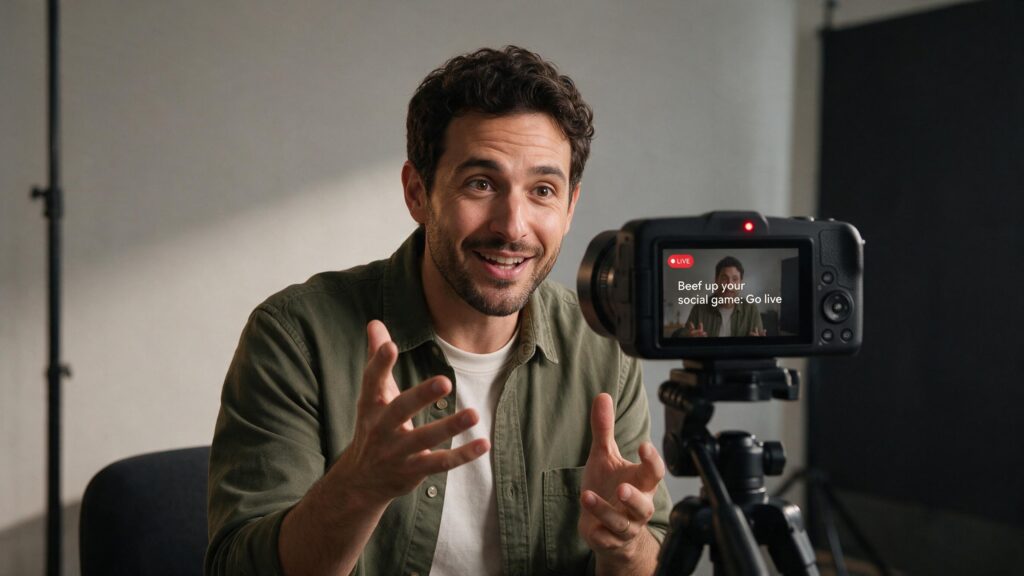
Going live remains one of the fastest, cheapest ways to earn attention on an algorithm that increasingly favors real time, authentic, unpolished content over produced posts. The playbook from 2018, beat the algorithm, caption everything, treat your audience like it’s a conversation, hasn’t changed. What’s changed is the scale of the reward: more platforms now prioritize live content, AI tools make captioning nearly instant, and a live shopping economy worth hundreds of billions of dollars shows how “going live” has grown from a simple traction hack into a major marketing and commerce strategy. It’s a channel.
FAQ
Is Facebook Live still worth using in 2026? Yes, though it’s one option among several now. Live video still drives roughly 4x more engagement than link posts and 6x more than images on Facebook, but brands should also test Instagram Live, TikTok Live, and LinkedIn Live, since LinkedIn Live alone generates 24x more comments and 7x more reactions than standard video for professional and B2B audiences.
Do I really need captions on every live video? Yes. 85% of social video viewers watch with the sound off, so without captions, most of your audience will scroll past without understanding your message.
How much does adding captions actually help engagement? Captioned videos get 135% greater organic reach on Facebook, and captions have been shown to increase view time by 12% and boost completion rates.
Can live video actually drive sales, or is it just for engagement? Both. Live shopping now converts at rates up to 30%, compared to 2-3% for standard e-commerce, and U.S. livestream commerce sales grew almost 50% year over year in 2025, so treating a live session purely as a branding play leaves real revenue on the table.
Which platform should a small business start with? Start wherever your audience already is. Facebook Live remains cost efficient for reach with an established following; Instagram or TikTok Live suit visually driven or younger audiences; LinkedIn Live fits B2B, professional services, and thought-leadership content.
Do AI tools make live captioning easier now? Yes. Most major platforms now generate live captions automatically via AI speech recognition during the broadcast itself, though only about 28% of captions meet real accuracy standards without a manual review pass, so a quick edit after the stream is still worth the time.
How long does it take viewers to find a live video after it starts? Historically, live feeds picked up followers within minutes of going live because platforms pushed live notifications ahead of other content, a pattern that still holds today across Facebook, Instagram, and TikTok Live.
Is short-form recorded video replacing the need to go live? No, they serve different goals. Short form video overall drives 2.5x more engagement than long-form content, but live video adds real-time interaction and urgency that pre recorded clips can’t replicate, which is exactly why live shopping and live Q&As continue to grow alongside Reels and Shorts rather than being replaced by them.
This is a 2026 content refresh of the original Denver Digital post published December 10, 2018.