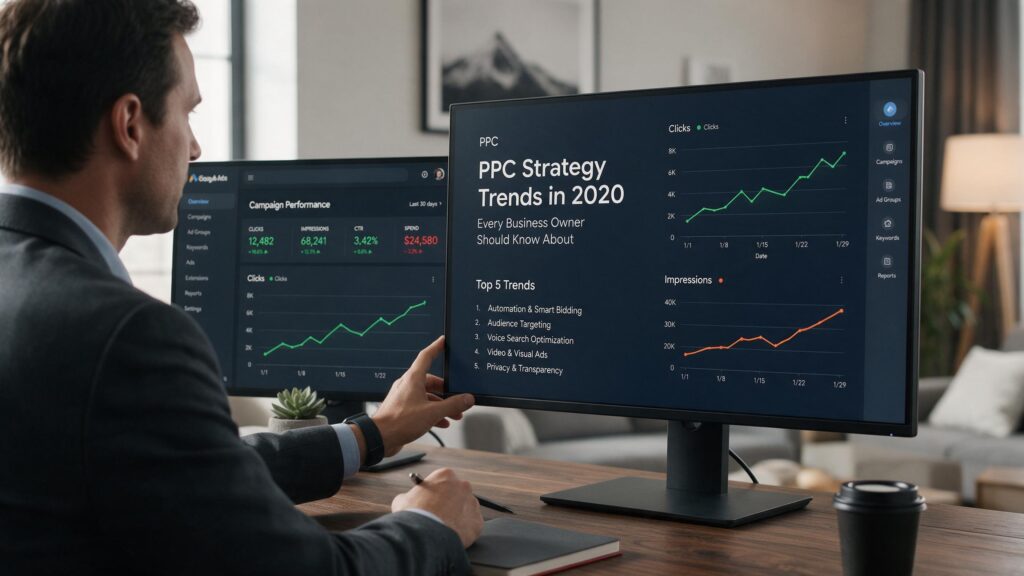
PPC ads can boost awareness by 80%. That was true in 2020, and the case for pay per click has only gotten stronger since. Global PPC spend has climbed to roughly $306 billion in 2026, up about 11% year over year, making paid search the largest single category of digital advertising worldwide. Google Search advertising revenue alone reached $224.5 billion in 2025, with average Search ad click through rates now sitting around 6.5%.
If you know how to optimize your PPC ads and how they work for your business, it can lead to more conversions and more sales. That principle hasn’t changed, but how you optimize has. Manual bid management and exact match keyword lists, the backbone of a 2020 strategy, have largely given way to AI driven campaign types that make decisions in real time, at a scale no human team could match. To succeed with PPC, you still have to stay on top of the trends.
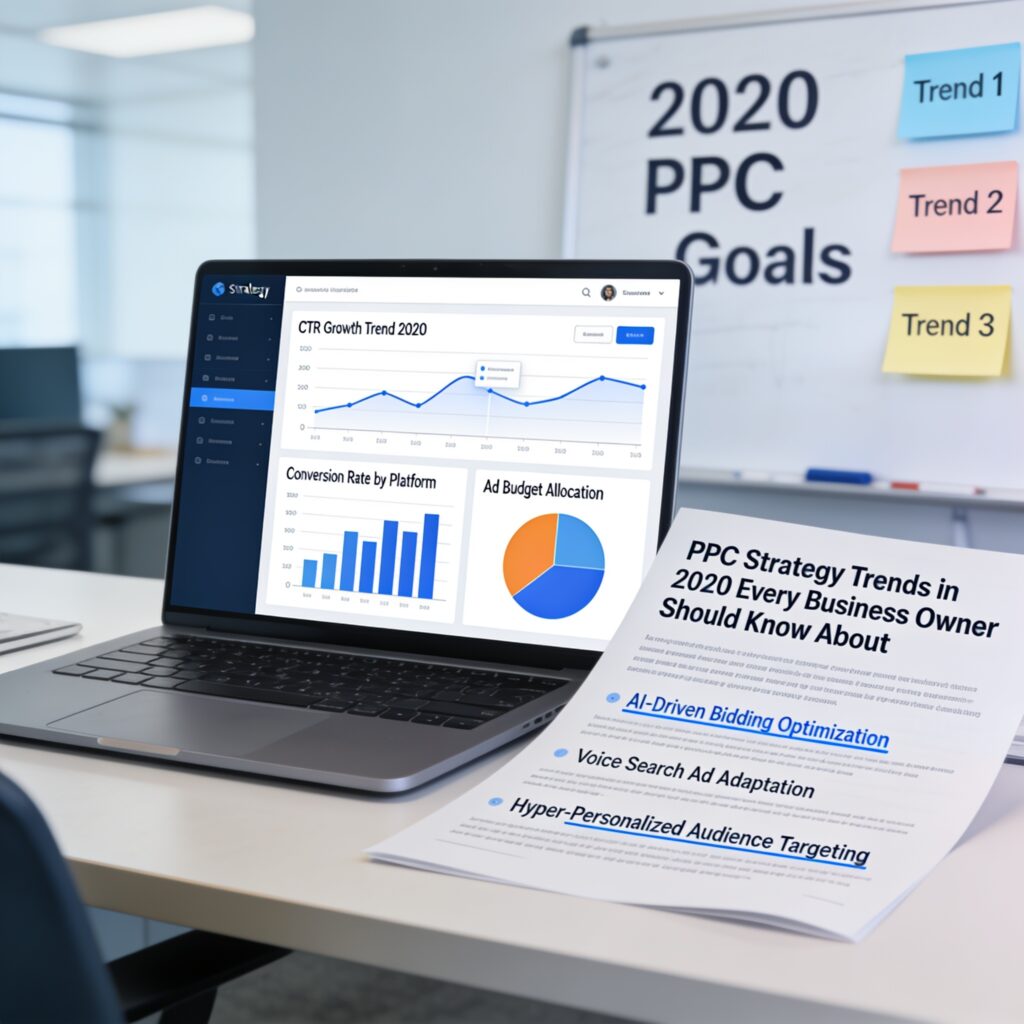
You have to research how PPC is affecting e commerce brands, SaaS companies, and other businesses, because the platforms themselves, from Google and Amazon to AI search tools like ChatGPT Search and Perplexity, are all moving fast in different directions. You need to know the 2026 PPC trends. They’ll help you rebuild your strategy around automation, first party data, and AI powered discovery. Here are the top PPC trends you need to know that can help your business grow and convert more customers.
Audience or Keywords?
Do you create your PPC strategy around keywords or a specific audience? The trends appear to be moving toward audiences. You create a PPC strategy around the behaviors and interests of people. Keywords are less effective and should be focused more on people and their habits. Advertisers are able to create multiple audiences based on their behavior. It’s a trend in marketing that continues to evolve. Audiences are becoming more segmented.
Automation Is the Future
Automation is already a part of PPC. The question is, are you using it as part of your strategy? Google wants you to use its automated bidding strategies, which more companies are using. Automation is giving more businesses the freedom to do tasks hands free and work on other parts of their campaign.
Amazon Advertising
Advertising on Amazon continues to be a hot trend following 2019. Their Sponsored Product Ads is an especially effective strategy in PPC. You can create specific audiences and using different strategies to promote your products. If you have questions about your PPC strategy, you can contact us and we can tell you how we help businesses.
Video Trends
Videos, especially bumper videos are becoming a trend on platforms like YouTube. Bumper videos are 90-second videos that are displayed on YouTube. Video is also the top of mobile searches, which is why it should be a part of your PPC strategy.
Remarketing To Your Audience
Lastly, remarketing to your audience continues to be a trend. You have higher CTRs and conversion rates when you do remarket to your audience. You can retarget app users, website visitors, reengage visitors with abandoned shopping carts, and target similar audiences. Ultimately, these strategies are designed to give your PPC strategy more options. You also can test different strategies and see what trend will benefit your business the most.
Frequently Asked Questions
What is the biggest PPC trend for 2026? AI driven automation is the dominant trend. Campaign types like Google’s Performance Max and AI Max, along with Smart Bidding, now manage the majority of Google Ads spend, shifting the advertiser’s job from manual bid management to feeding the system clean audience signals and diverse creative.
Are keywords still important in PPC? Yes, but they’re no longer the primary targeting lever. Keywords now work alongside audience signals, first party data, and broad match automation rather than as a standalone strategy, especially inside Performance Max and Demand Gen campaigns.
Is Amazon Advertising worth it for small businesses? Generally, yes. More than 70% of Amazon sellers now use Amazon Ads to maintain visibility, and Sponsored Products remains an accessible, cost-effective entry point even for smaller catalogs, with Sponsored Brands and Sponsored Display available as budgets grow.
Did third-party cookies actually go away? No. Google abandoned its original cookie-deprecation plan and formally wound down the related Privacy Sandbox initiative in October 2025. Third party cookies remain in Chrome, but the industry has shifted toward first-party data anyway because it performs more reliably for targeting and measurement.
How is AI search (AI Overviews, ChatGPT Search, Perplexity) affecting PPC? AI generated answers have reduced organic click through rates and increased “zero click” search behavior significantly. Paid ads have been affected less severely and remain visible on commercial intent queries, but advertisers now need strong creative and structured data to stay eligible for ad placements inside AI powered results.
What role does video play in a modern PPC strategy? A major one. Video now accounts for roughly 42% of digital ad spend, with YouTube Shorts, six second bumper ads, and CTV formats all requiring dedicated creative investment, since static image ads consistently underperform video across most platforms.
Is remarketing still effective in 2026? Yes, remarketing continues to deliver higher CTR and conversion rates than cold targeting. The main shift is technical: it now runs primarily on first-party data (Customer Match, enhanced conversions, CRM imports) rather than third party tracking cookies.
Your PPC Strategy Should Keep up With Trends
The more you keep up with trends, the more effective your PPC strategy will be that was true in 2020, and it’s even truer now that the pace of change has accelerated. Google, Amazon, and Microsoft are each rolling out new AI driven ad formats multiple times a year, and entirely new inventory ads inside AI Overviews, Gemini, and ChatGPT Search has emerged since this advice was first written. Understanding what your competitors are doing, and staying ahead of them, means treating your PPC strategy as a living system, not a set it and forget it campaign.
You should also consider testing these trends to see what works for your business. Your strategy will need continual tweaking, especially as you refine audience signals, feed first party data into Customer Match, and decide how much budget belongs in automated campaigns versus manually managed Search. What worked in 2020 tight keyword lists and manual bidding is no longer the whole playbook, but the discipline of testing, measuring, and adjusting matters more than ever, especially with global PPC spend and cost per click both climbing steadily year over year.
You can find more about our SEO services on our website.