
Social media is ever changing and can be hard to keep up with, but knowing what’s fresh when it comes to social media marketing is a must to keep a digital presence. That was true when this guide was first published, and it’s even more true today: more than 5.2 billion people actively use social platforms worldwide, and algorithms are now prioritizing micro behaviors like saves, replies, and dwell time over simple follower counts. A successful social media presence is still a must to make sure your brand stays in front of current and potential customers, but the definition of “successful” has shifted from chasing reach to earning trust. Human generated content is now the number one priority for users, and 73% of consumers say they’ll switch to a competitor if a brand doesn’t respond on social media, so the stakes for getting this right have never been higher.
Want to stay relevant on social media this year? Follow these social media marketing best practices.
We updated them for 2025-2026 realities, including AI assisted content, social search, and short form video.
These strategies can help you achieve your marketing goals.
Go in With a Plan
Taking your social media marketing to the next level takes some serious planning, strategizing and goal setting. Figure out what your main social media goals are, such as growing your following, establishing your branding, or upping your content quality. This will put your team on the same page towards a united and purposeful goal.
This plan goes along with knowing your audience. If you know your audience or your customer, you can better understand how to reach them on social media. This will help you figure out what platforms your customers are using, and what kind of content appeals to them most.
Make sure the way your company brands itself on social media is in line with what your audience finds appealing. Figuring out your customer’s demographics can help you pinpoint certain platforms to focus on.
If you don’t already know this information, try conducting a simple survey that asks your customer what platforms they are using, and what kind of content stands out most to them on their preferred platforms. Asking your customers what they would like to see from your brand is a great way to let them feel that they are important to you, and a part of your marketing process.
Develop a Strategy for Your Content
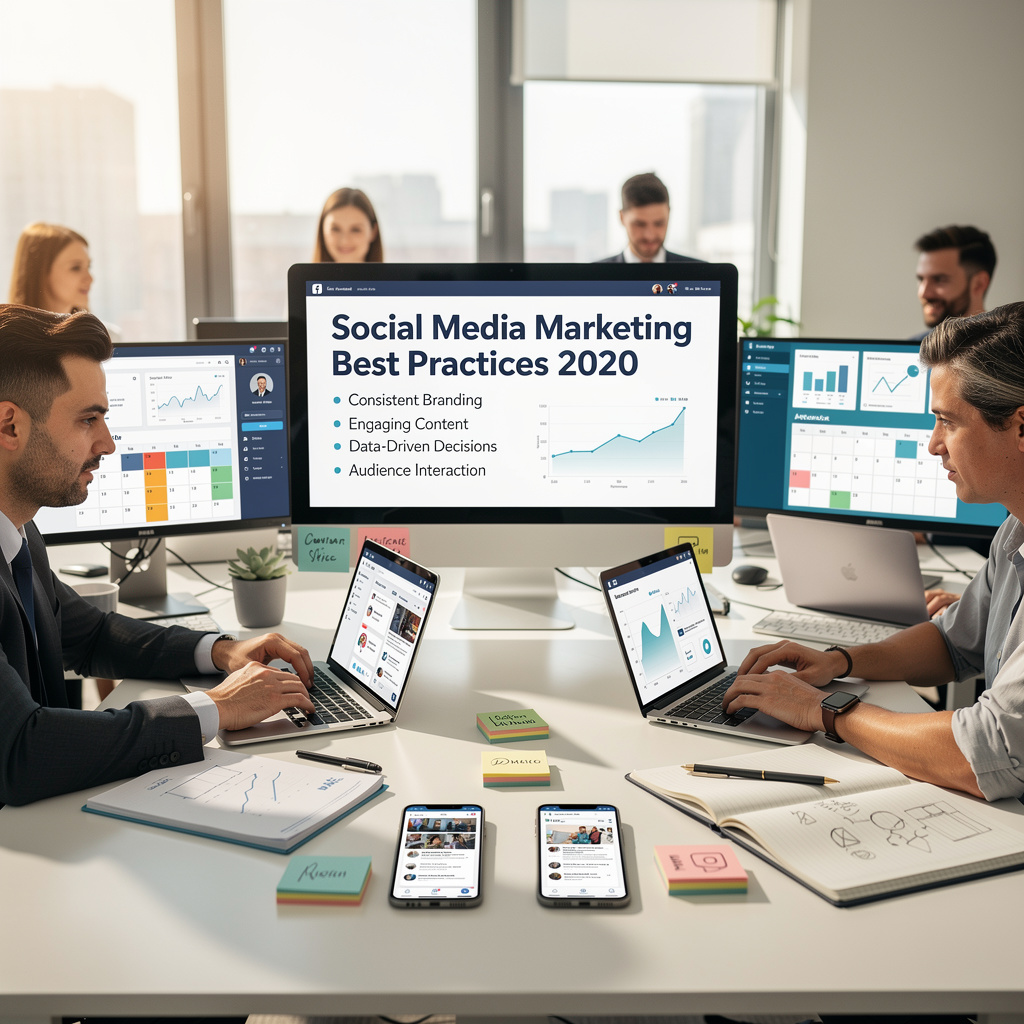
Once you know what platforms your customer is using and what kind of content they want to see, you can start to create a content strategy. It’s important to make a schedule of when you will post certain types of content, making sure your up to date and staying active on your social platforms.
Text, video, and images are all important aspects of your social strategy, and it’s important to know that this content is building brand loyalty by staying consistent. While clever and helpful text is necessary, it’s really important that your visual content is quality, as this is what will catch viewers’ eyes as they scroll their feeds.
Try using a social media scheduler so that you can have a layout of when your content will be posted, either weekly or monthly.
Social Media Marketing Best Practices for 2020
If you want to stay on top of your social media platforms to build brand loyalty, follow the best practices above plan with clear goals, know your audience deeply enough to understand their search behavior, and build a content strategy anchored in short form video, social search optimized captions, and consistency. What’s different in 2026 is the pace and the bar: social platforms like TikTok, Instagram, and YouTube now collectively account for over 60% of product discovery, surpassing Google, and 73% of consumers expect a brand response to a social inquiry within 24 hours. Treat your accounts as a live conversation, not a broadcast channel. By keeping your social platforms active, responsive, and genuinely useful, you can reach your customers where they now actually make purchase decisions, and grow audiences that convert.
Looking ahead, expect the platforms themselves to keep blurring the line between social media and search engines, and expect AI to keep lowering the cost of publishing while raising the bar for what earns real trust. The brands that win in 2026 and beyond will be the ones that use AI to work faster without letting it replace the human voice that made people follow them in the first place.
For more help with your business, such as SEO, web design, or advertising, head to our site where our team of experts can help make your company’s presence the best it can be.
FAQ
Q: What is the single most important social media marketing best practice in 2026? A: Responsiveness. With 73% of consumers saying they’ll switch to a competitor if a brand doesn’t respond on social media, treating your accounts as a two-way conversation matters more than any single content format.
Q: Should my brand use AI to create social media content? A: Yes, but carefully. Most social media managers now use AI daily for drafting and research, though over 30% of consumers say they’re less likely to choose a brand with visibly AI generated ads. Use AI for speed and research; keep a human editing pass for voice and accuracy.
Q: Is short-form video still worth prioritizing in 2026? A: Yes. 91% of marketers use short form video and it delivers the highest ROI of any video format, around 41%, making it the safest content investment for most brands.
Q: How does “social search” change my content strategy? A: Since Google now indexes public Instagram and short form video content, captions, on screen text, and alt text function like SEO copy. Write captions that directly answer the questions your audience is searching for.
Q: Which platform has the best organic engagement rate right now? A: TikTok leads at roughly 5.69% average organic engagement, well ahead of Instagram (0.5%-1%) and Facebook (0.07%-0.15%), though LinkedIn can reach 2%-5% for strong B2B content.
Q: Do I still need a content calendar and scheduler? A: Yes, consistency remains a core driver of brand loyalty. Modern schedulers add AI powered timing and caption suggestions, but the underlying discipline of planning content in advance hasn’t changed.
Q: How much has social commerce grown, and does it matter for my strategy? A: Significantly. The global social commerce market is valued between $1.6 trillion and $2 trillion in 2025, so brands selling products should build shoppable posts and in app checkout into their content plan, not treat social purely as awareness marketing.
Q: Should I still survey my customers to learn which platforms they use? A: Yes, pair surveys with your own analytics data. First party insight into what your specific audience saves, shares, and searches for is more valuable than ever as broad platform wide tactics lose effectiveness.
We updated this article on September 20, 2026.