Social media is arguably one of the greatest inventions of the 21st century and in 2026, that claim is easier to prove than ever. This new form of communication connects virtually every facet of a modern world, with roughly 5.79 billion people worldwide now holding a social media identity, nearly 70% of everyone on Earth, and the average person moving between almost seven different platforms every month. Social media is no longer just a place for posting updates. It has become a search engine, storefront, and customer service channel. It also serves as a powerful discovery tool. More than 60% of product discovery now happens on platforms like TikTok, Instagram, and YouTube.
Business owners have the potential to use social media platforms to their advantage, creating specific, personalized content that reaches exactly the right person at exactly the right moment. When executed correctly, social media can make a small business go viral, the question is how? Today, that question also involves AI generated recommendations and machine-learning algorithms. Shopping features are now built directly into many social media apps. In this refreshed article, Denver Digital explains how businesses can use social media effectively in 2026. We combine our original playbook with current platforms and tools. We also explore the buyer behaviors shaping today’s social media landscape.
Where is Your Audience
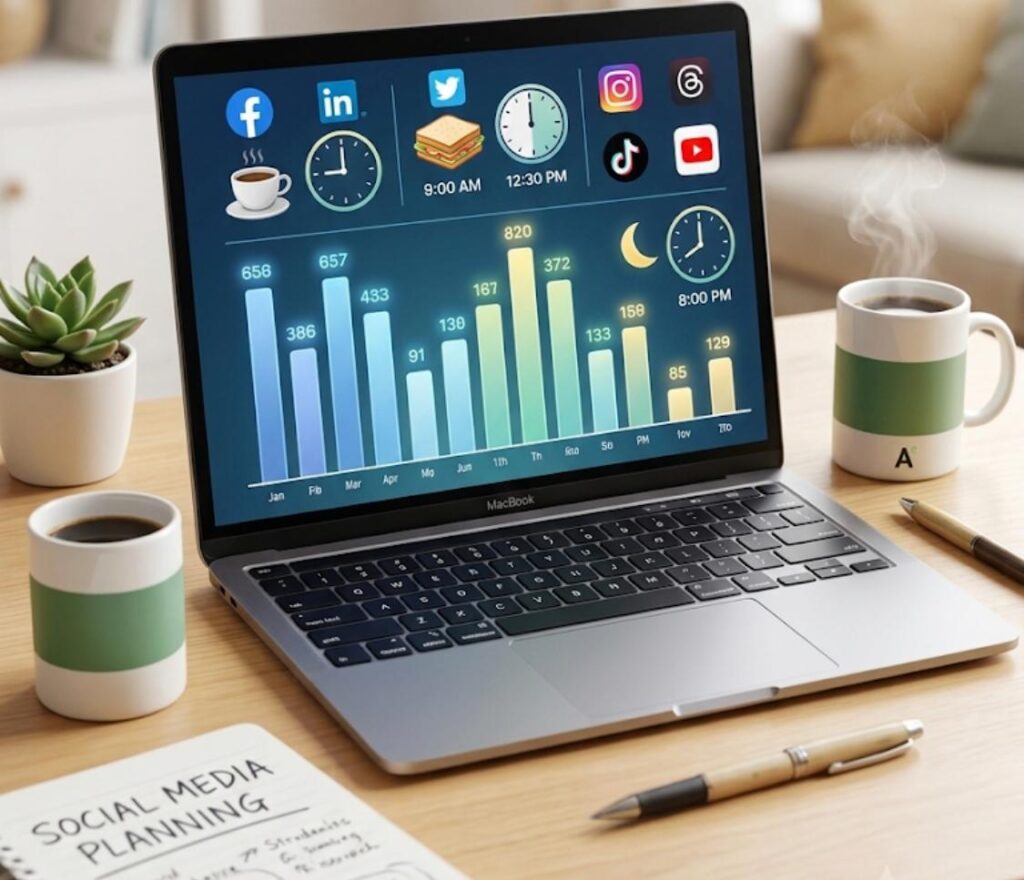
There are a number of different social media platforms, all of which attract a unique audience, and that fragmentation has only intensified. Facebook remains the single largest network worldwide with more than 3 billion monthly active users, but it now skews toward an older, more established demographic and functions as much as a marketplace and customer-service channel as a feed. Meanwhile, TikTok has become a leading platform among younger consumers. About 63% of U.S. adults aged 18 to 29 use it. Users aged 18-24 make up nearly 40% of TikTok’s audience. X reaches only about 8% of U.S. adults. These figures show the significant age and interest differences between social platforms. Younger users prefer short form, visual first apps. Popular choices include TikTok, Instagram Reels, and Snapchat. Older platforms like Facebook and X tend to attract different audiences.
Further, your number of followers can still be deceiving, and in some ways the problem has gotten more sophisticated rather than less. On X alone, researchers estimate that 9% to 15% of all accounts are bots, and the market for purchased followers and fake engagement is now worth tens of millions of dollars annually. Platforms have responded with more advanced detection: X’s Grok powered recommendation system actively penalizes accounts with high follower counts but low real engagement, and enforcement can range from follower count corrections to full suspension.
Sure, it’s great to have a large audience, but only if it’s legitimate. Buying followers does not expand your market or potential customer base. It can damage your algorithmic reach and credibility. Journalists, partners, and customers may notice low engagement rates. Focus instead on understanding your product and target audience. Use each platform’s native analytics to identify your most engaged followers. Tools like Sprout Social and Hootsuite can also help. Meta Business Suite provides useful audience insights. Use these tools to determine which platforms your audience prefers. Meet them there, and increasingly, expect them to be searching for you rather than just scrolling past you.
How is Your Product Best Displayed
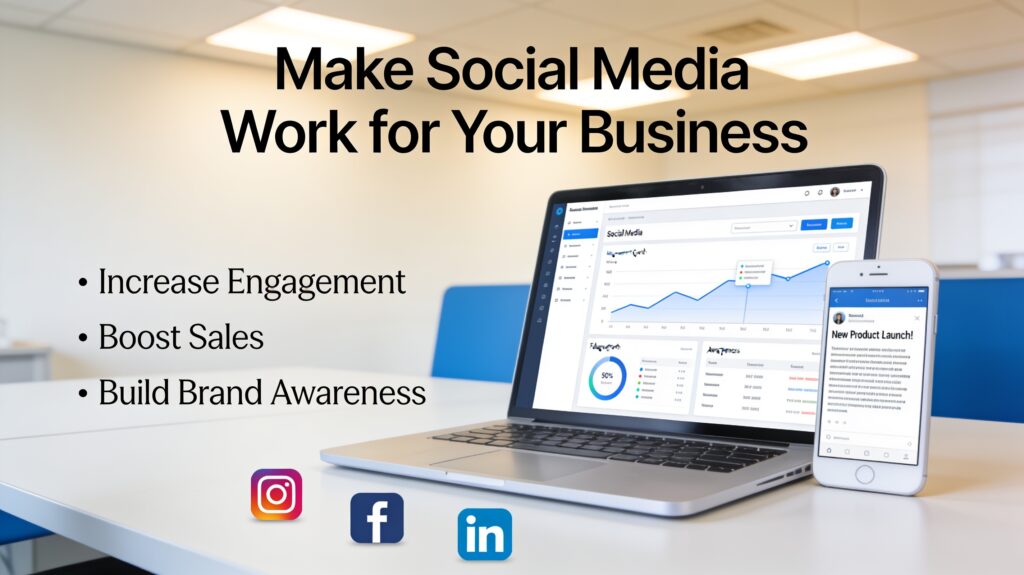
Of course, it’s important to occupy the same platforms as your audience, but it’s also vital to know which platforms display your product the best and in 2026, “display” increasingly means “let people buy it without leaving the app.” Social commerce has grown into a market worth more than a trillion dollars globally, with an estimated 78% of purchases happening entirely in platform through native checkout, shoppable posts, and livestream shopping. If your audience is mainly on Facebook, consider promoting your Instagram content there. This works especially well for visual products. Use short form videos or swipeable catalogs on Instagram. Link your Instagram Shop to your Facebook Page for easier product discovery. Sync your catalog through Meta Commerce Manager. This allows one product feed to power both storefronts.
This is also where AI tools have changed the game. Businesses can now use generative AI to reformat product photos and videos for different platforms. This process takes minutes instead of hours. AI can adjust aspect ratios, captions, and video lengths. About 72% of B2B and B2C marketers use AI-powered social analytics tools. These tools help marketers identify which formats generate conversions. Visually striking products should also receive attention on Pinterest. Pinterest has more than 500 million monthly active users. It processes billions of search queries each month. About 85% of weekly users have purchased products discovered through Pins. This creates a high intent audience for businesses. Treat product photography like a searchable catalog. Don’t view it as simply another social media post.
Big Four
As mentioned, there are a number of social media platforms, and they can’t all consume your time. In 2018 the “Big Four” were Twitter, Facebook, Instagram, and Pinterest. That list has evolved significantly. Twitter has been rebranded as X and now offers several additional features. These include payments, job listings, and Grok AI. Short-form video platforms have also become impossible for businesses to ignore.
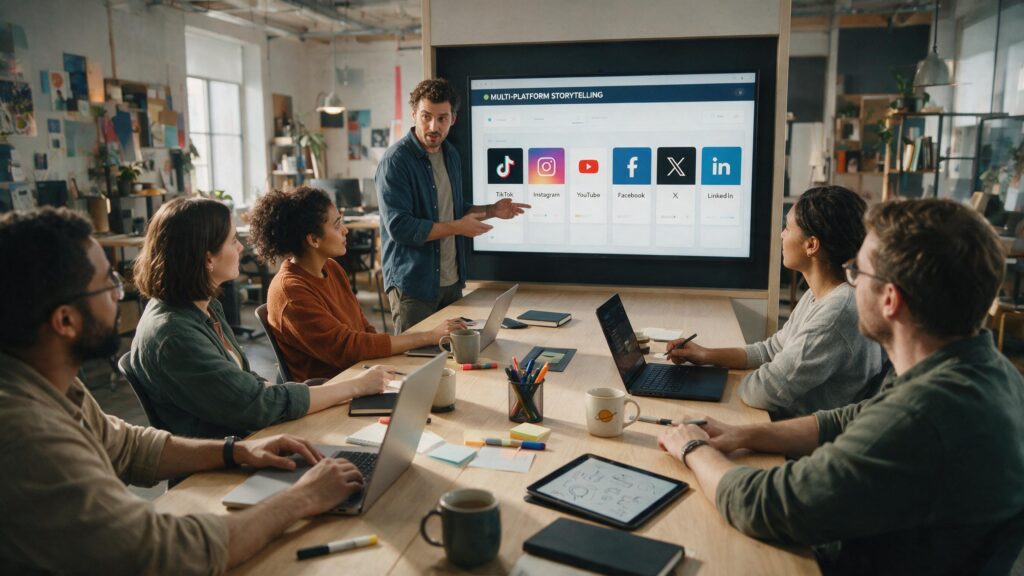
Today’s baseline presence should realistically include Facebook, Instagram, and at least one dominant short form video platform such as TikTok or Instagram Reels, alongside Pinterest for visually driven or commerce heavy brands, with X and LinkedIn as strong additions depending on whether you’re targeting consumers or other businesses. Still, you should ensure your company has at least somewhat of a presence on the highest reach accounts relevant to your audience, because 70% of marketers now rank Instagram and Facebook as their top adoption platforms for business, with YouTube close behind at 69%.
Each account has its own design, algorithm, and purpose. AI driven recommendation engines have also reshaped how these platforms operate. These systems reward consistency and genuine engagement more than follower counts. Learn to use each platform according to your business needs. This approach can strengthen your online presence. It can also help optimize your content for AI search and recommendation systems. These include Google AI Overviews, ChatGPT Search, Perplexity, and Gemini. These systems increasingly consider recent and engaging social content when recommending brands. Of course, Denver Digital is more than happy to provide guidance on which mix makes sense for your specific business.
Niche Sites
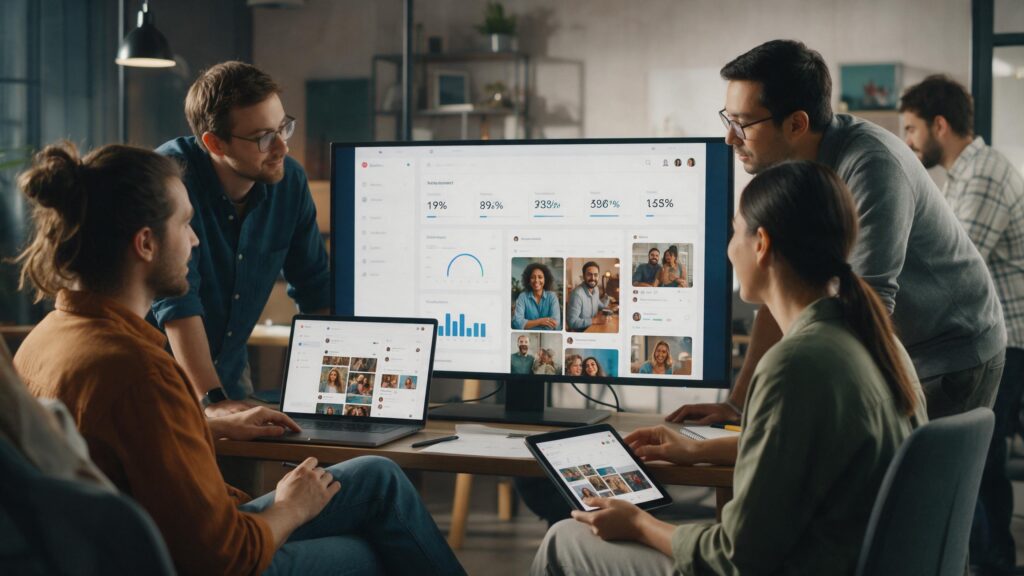
The Big Four are social media platforms easy to account for. We know that these platforms are popular and attract a wide audience. Niche accounts can be harder to evaluate. However, 2026 offers more valuable platforms than ever. Pinterest is useful for product discovery. LinkedIn helps businesses build B2B authority and generate strong returns. Bluesky offers a growing, decentralized alternative. Its audience includes more than 42 million users. Threads provides another option for text-focused conversations. Each platform can serve different business and audience needs.
It’s smart to use less popular platforms to grow your audience, but be tactful: think of the search terms your audience may use, since more consumers are now using social apps themselves as search engines rather than typing queries into Google. Know where your audience is active, know what they are searching for once they get there, and build content, including keyword-rich captions, alt text, and Pin descriptions, that answers those searches directly.
FAQ
1. Which social media platforms should a small business prioritize in 2026? Start with Facebook and Instagram for broad reach and social commerce features, add a short form video platform like TikTok or Reels for discovery, and layer in Pinterest or LinkedIn depending on whether your business is visually driven or B2B-focused.
2. Is it still worth having a presence on X (formerly Twitter)? Yes for many businesses, particularly those relying on real-time updates, customer service, or industry conversation, but weigh it against X’s smaller reach among U.S. adults and higher estimated bot rate compared with other major platforms.
3. Should I buy followers to grow my business’s social presence faster? No. Purchased followers inflate your numbers without improving engagement, and modern algorithms actively suppress accounts with a high proportion of inauthentic followers, which can hurt organic reach and invite platform enforcement.
4. How has social commerce changed how businesses use social media? Native in app checkout, shoppable posts, and livestream shopping now let customers buy without ever leaving the platform, making a strong, well-tagged product catalog as important as the content itself.
5. Do AI search tools like ChatGPT Search or Google AI Overviews affect social media strategy? Yes. These systems increasingly surface recent, well-engaged social content when answering product and brand questions, so consistent, authoritative posting now supports both social discovery and AI-powered search visibility.
6. How many social platforms does the average business really need? There’s no fixed number, but most experts recommend a strong presence on two to three core platforms where your audience is most active, rather than a thin presence spread across many.
7. What’s the biggest mistake businesses make with social media today? Chasing every new platform or vanity metric instead of matching content to where their specific, verified audience actually spends time and is ready to buy.
Conclusion
Social media in 2026 is no longer just a communication channel, it is search engine, storefront, customer service line, and reputation manager rolled into one, used by nearly 70% of the world’s population. Business owners who understand this have an enormous opportunity to use social platforms to their advantage, creating specific, personalized, and increasingly AI assisted content that reaches the right audience at the right moment. When executed correctly, social media can still make a small business go viral, but doing so today requires more precision than it did in 2018: knowing exactly where your real, verified audience spends time; matching your product to the platform that displays it best, including native shopping features; maintaining a credible presence on the highest-reach networks for your industry; and being tactful and strategic about niche and emerging platforms rather than spreading yourself thin.
The fundamentals from our original guide still hold, know your audience, know your product, be present where it matters, but the tools, the AI layer, and the sheer scale of social commerce have raised the bar for what “working” actually means. Denver Digital is here to help you navigate that bar, from platform selection and content strategy to making sure your brand shows up not just in social feeds, but in the AI powered search results your customers are increasingly relying on. Reach out to our team to build a social media strategy built for where your audience actually is in 2026, not where it was in 2018.
This is a 2026 content refresh of the original Denver Digital post published December 10, 2018