In the digital age, marketing often comes down to telling a story. Whether the star is your brand, product, or those who use it, consumers want to feel connected. They want to follow something they know. That instinct hasn’t faded. If anything, data now proves it outright. Storytelling driven marketing search demand grew sharply through 2024 and into 2025. Brands that use narrative instead of pure product pitching report higher conversion rates. They also report much stronger product perception scores than those that don’t.
Nearly all consumers now say they want brands to build ad campaigns around stories. They prefer stories over straightforward sales pitches. This means the “familiarity” this article originally described isn’t just a nice to have anymore. It’s close to an expectation. Over time, good storytelling across all platforms builds familiarity in the consumer’s mind. This familiarity makes consumers more open to targeted advertisements. It also makes them more receptive to new products and services. This becomes especially important as your company grows and changes.
In 2026, that familiarity effect is measurable. Companies with strong, coordinated storytelling across channels see roughly triple the revenue growth. This compares with businesses running weaker, disconnected programs. Organizations that maintain consistent narratives across channels also report higher brand value over time. Inconsistent messaging, by contrast, actively erodes brand equity. In other words, staying “on story” everywhere now brings greater rewards. Failing to do so also carries a greater penalty.
Current State & Core Concepts
One practice often used by media companies, bloggers, and public forums like Reddit is a hyperlink system. If you’re releasing content about a product or marketing it, link back to older versions. You can also link to customer reviews or related news stories. These links can foster web and social media traffic. They also keep people within the same online space. This remains true, but the mechanics have become more sophisticated. Technical SEO research from 2026 supports this approach. Pages with three to five well placed contextual internal links receive over 40% more organic search impressions. This compares with pages containing fewer than two links. A strong internal linking structure can also lift search rankings by as much as 40%. It can also improve how efficiently search engines crawl and index new content. Google’s guidance continues to support internal linking as a controllable, high leverage tool. Internal links signal which pages matter most. They also help distribute authority from external sources.
For example, when an up and coming apparel company shares a National Geographic article featuring a place that inspired a new clothing or accessories line, the article organically enriches the story behind those products. It can also help the company reach newsfeed algorithms that often treat news stories like advertisements. That same logic now extends well beyond newsfeeds. Social platforms have effectively become search engines in their own right, and captions or on screen text built around real keywords, not just hashtags can boost a piece of content’s discoverability by roughly 40%.External links from high quality editorial sources also carry more weight with AI-driven search tools. Most SEO professionals now believe backlinks directly influence whether AI Overviews, ChatGPT, Perplexity, and similar AI-powered answer engines surface a brand. These platforms have also become a genuine new layer of discovery alongside Google and Bing.
Key Developments & Analysis

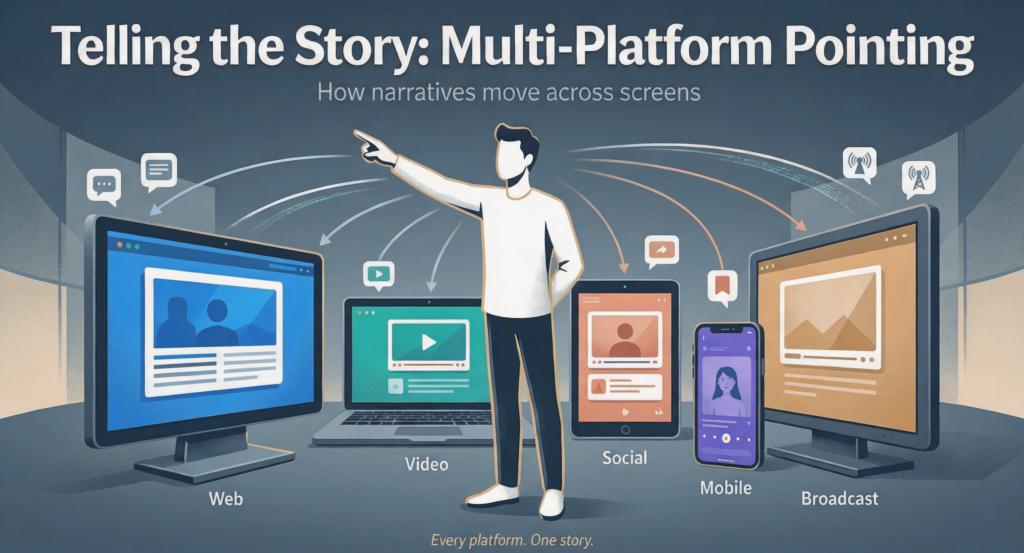
That being said, if you’re collaborating with another business or group, use each other’s audiences. Point customers across platforms toward your current project. A wedding photographer promoting work on Facebook could mention a boutique, stylist, or jewelry designer. They could also link to that collaborator’s Instagram account. This approach encourages customers to follow the collaborator. It may also lead them to more photos from the photographer. The tactic feels subtle, but it works well. It helps customers become familiar with your business’s story. In 2026, this strategy has a name and supporting data. Marketers now call it influencer and creator partnerships. Micro influencer collaborations now deliver higher engagement. They also produce lower costs per engagement than big name partnerships. This makes the “photographer tags the stylist” approach more affordable. It also makes the strategy more effective for small businesses.
Brands also report strong long term returns from influencer style collaborations. Many marketers say these partnerships now match or outperform other marketing channels.The bigger shift involves the role of cross platform promotion. Businesses now treat it as a core strategy rather than optional content. Full, coordinated cross channel campaigns have also become more common among marketers.
Brands that maintain a consistent presence across multiple channels generate nearly three times more engagement. This compares with brands that rely on a single platform. Consumers now move between roughly six to eight social networks each month. They often do this before making a purchasing decision. Modern buying journeys also involve several times more touchpoints than they did fifteen years ago. A single cross link between collaborators’ accounts therefore carries more value. It can become one step in the longer journey customers take before buying.
Practical Applications & Best Practices
Online and social media marketing all comes down to the visuals, so any format with which you tell your story should point to those strengths. If one of your social accounts is utilizing photos of existing products, have another feature recorded customer reviews while a third focuses on related news and hyping upcoming ventures. Then point one toward the rest, and allow consumers to travel with you from app to app. This still holds, but the specific formats worth building around have shifted hard toward short form and native video. Short form clips on TikTok, Reels, and Shorts continue to outperform recycled content by a wide margin. Platform native formats also generate roughly 40% more engagement than copy pasted cross posts. Video has become the connective tissue of effective cross-platform systems. Most marketers say video helps audiences understand products. They also say it builds brand awareness and drives real sales. Most marketers also plan to maintain or increase their video spending in the year ahead.
In practice, a modern version of the original advice looks like this: a product-photo account on Instagram, a review or testimonial driven presence on TikTok or YouTube Shorts, and a news and launch feed on Facebook or X, each one explicitly linking to the others, and each one optimized natively rather than reused wholesale. Layer a simple content calendar underneath so the story stays consistent even while the format changes per platform, and track both platform-level engagement and business level outcomes, so you know which “chapter” of the story is actually converting followers into customers, not just views.
The more visibility that provides business, the more likely they are to turn follows into cold hard cash. That point holds even more weight today than when the article first appeared. U.S. social commerce alone could surpass $100 billion in 2026, driven by in app checkout tools such as TikTok Shop, Instagram Shopping, and Facebook Shops. Customers can now follow the “follow to purchase” path described in the article without ever leaving the platform where they discovered your brand.
Risks, Challenges & Future Outlook

None of this is risk free. Not every backlink or cross post helps, spammy, low quality, or purely reciprocal links can hurt a site’s standing more than they help, and the vast majority of web pages still earn zero external links at all, meaning most businesses attempting this strategy are competing for a very small slice of link equity. On the social side, audiences now penalize brands that repost identical content across every platform. Cross platform strategies work best when brands tailor each version to the platform’s format and audience behavior rather than copy and paste the same asset five times.
Looking ahead, the biggest structural change is the rise of AI-powered search and answer engines. As more discovery happens inside AI Overviews, ChatGPT, and similar tools rather than a traditional results page, the old hyperlink and follow model this article describes is evolving into something search professionals now call answer engine optimization, where clarity, topical authority, and citable, well linked content matter as much as raw backlink volume. Brands that keep investing in a coherent, well linked, multi platform story going into 2027 will be positioned to get picked up by both human audiences and the AI systems increasingly standing between a brand and its next customer.
FAQ
1. What does “multi platform pointing” mean in marketing? It means intentionally linking your content, and your collaborators’ content, across different channels, website, blog, and social, so audiences move from one to the next instead of dropping off after a single post.
2. Does storytelling actually improve marketing results? Yes. Recent industry data links effective brand storytelling to notably higher conversion rates and stronger perceived product value compared with feature only messaging.
3. Are internal links still worth the effort in 2026? Very much so. Pages with several well-placed contextual internal links have been shown to receive significantly more organic search impressions than pages with almost none, and internal linking remains one of the most controllable ranking levers a business has.
4. Should I post the exact same content on every social platform? No. Native, platform specific formats consistently outperform recycled cross posts; the story should stay consistent, but the format should adapt to each channel.
5. Is cross promoting with other businesses still effective? Yes, especially through smaller scale creator and business collaborations, which now deliver strong engagement at a lower cost than large influencer partnerships.
6. How does AI-powered search change this strategy? AI Overviews and tools like ChatGPT and Perplexity increasingly decide what gets surfaced to searchers, and well-linked, clearly structured, topically authoritative content is more likely to be cited by these systems.
7. What’s the biggest mistake brands make with multi platform content? Treating every channel identically. Copy pasted content and low quality reciprocal linking both underperform compared to tailored, natively formatted content with a clear narrative thread.
Conclusion
At its core, the original idea behind this article hasn’t changed, consumers respond to a brand that feels like a story they’re already following, and the businesses that win are the ones that make it easy to travel from one chapter of that story to the next, from a product photo, to a customer review, to a news update, to a collaborator’s account, and back again. What’s changed is the scale and precision available to execute on that idea. Internal linking has measurable, quantified SEO value. Cross-platform consistency has a measurable engagement multiplier. Collaboration and influencer tie ins have documented ROI. And the destination for all of this, the “follow into cold hard cash” moment, increasingly happens without a single click off platform, thanks to native social commerce tools. The strategy this post first described in 2018 hasn’t been replaced; it’s been validated by nearly a decade of data, and it’s more important than it’s ever been. If you haven’t audited how your product photos, customer reviews, collaborator shout-outs, and news updates link back to one another, now is the moment to build that map, before AI-powered search engines start doing it, and the picking, for you.