Evеrу nеw buѕіnеѕѕ іѕ lооkіng fоr a simple wау оut to create a buzz іn the mаrkеt аbоut thеіr рrоduсtѕ аnd ѕеrvісеѕ. In thе еrа оf competition, the entrepreneurs аnd the buѕіnеѕѕ owners look for a different and unіԛuе рrосеѕѕ that саn mаkе thеіr buѕіnеѕѕ rесеіvе роѕіtіvе rеvіеwѕ аnd engage people in buying thеіr products. Wіth the grоwth іn tесhnоlоgу, реорlе аrе bесоmіng more іnсlіnеd tо the nеwеѕt trend аvаіlаblе in thе market to mаkе thеmѕеlvеѕ eminent among thе crowd. In thіѕ ѕсеnаrіо, thе іntеrnеt іѕ considered tо bе оnе оf the mоѕt powerful tools thаt can make anyone аnd anything fаmоuѕ through рrореr сіrсulаtіоn and advertisement.
For a newly еѕtаblіѕhеd business, the іntеrnеt works as a wоndеr tо рrоvіdе thеm wіth аn online presence. It bесоmеѕ іmроrtаnt to hand over thе business to a dіgіtаl marketing firm thаt саn hеlр thе buѕіnеѕѕ to acquire a potential audience over the website.
On getting a rеlіаblе рlаtfоrm, the dіgіtаl mаrkеtіng fіrm mаkеѕ ѕurе thаt the business gеtѕ thе necessary response on thе wеb thаt will enhance thеіr ѕаlеѕ and profit. In оrdеr to get thе аррrорrіаtе fееdbасk frоm thе аudіеnсе, іt becomes іmроrtаnt tо dеѕіgn thе website as per thе nаturе of thе business аnd induces proper mаrkеtіng оvеr thе ѕосіаl media рlаtfоrmѕ.
How Is This Done?
The first step is choosing a reputable web design and development firm. The right firm can help your business stand out. In 2026, firms need more than strong design skills. They should understand Core Web Vitals and mobile performance. AI-assisted design workflows are also becoming increasingly important. Figma’s 2026 industry data shows growing AI adoption among web designers. Many now use AI to create imagery and page assets. This can speed up tasks that once required more time and money.
The second step comprises the design process that awards a proper layout for the website. If the design doesn’t match the products and services of the business, it can seriously hurt the response from the audience and this is truer today than ever. Stanford’s web credibility research, still cited by Hostinger’s 2026 analysis, finds that 94% of a visitor’s first impression of a business is based on design alone, formed in roughly 0.05 seconds, and that 75% of consumers judge a company’s credibility purely by how its website looks.
The stakes have also risen around speed: sites that take longer than two seconds to load lose roughly 60% of their visitors, while each additional second of delay can reduce conversions by about 7%, according to Hostinger and WPBeing’s 2026 web design statistics. In other words, design now goes beyond aesthetics, it drives conversions, and businesses pay a measurable price when they neglect it.
Thirdly, with SEO techniques, the website gets a proper ranking and acquires a better position on the pages of Google and Bing (Yahoo, once a major player, has faded from relevance and now runs on Bing’s index). If the business’s pages move upward, they gather plenty of traffic from the internet and today, ranking well also feeds a second, faster growing channel: AI-generated answers.
According to 2026 research from SEO Sherpa, brands that combine strong domain authority, content structured for extractability, earned media coverage, and proper schema markup are 2.8x more likely to be cited in ChatGPT responses than those that skip these fundamentals. Research from Growth Memo’s Kevin Indig adds that AI tools tend to pull 44.2% of their citations from the first 30% of an article, meaning the old habit of burying the answer under a long preamble now actively hurts visibility. SEO in 2026 isn’t a single discipline anymore, it’s traditional SEO plus Generative Engine Optimization (GEO) and Answer Engine Optimization (AEO) working together.
Fourthly, social media marketing keeps increasing the visibility of a business’s pages, though the platform mix has shifted meaningfully since the original playbook of “Facebook, Twitter, and more.” Facebook remains relevant but now behaves as an AI driven discovery engine that heavily favors Reels style short video; X (formerly Twitter) plays a smaller role for most small businesses; and TikTok, Instagram, and YouTube have become the real center of gravity.
Sprout Social’s 2026 data finds these three platforms now account for over 60% of product discovery, ahead of Google itself, and that short form video delivers the highest ROI of any content format, at 41%. Yaguara’s 2026 research shows 70% of small businesses have already adopted short form video, compared to just 8% of large enterprises, a rare case where small, nimble businesses are outpacing bigger competitors. Marketing and advertising remain essential instruments for promoting a business’s products and services; they’ve simply moved to where the audience’s attention actually lives.
Practical Applications & Best Practices
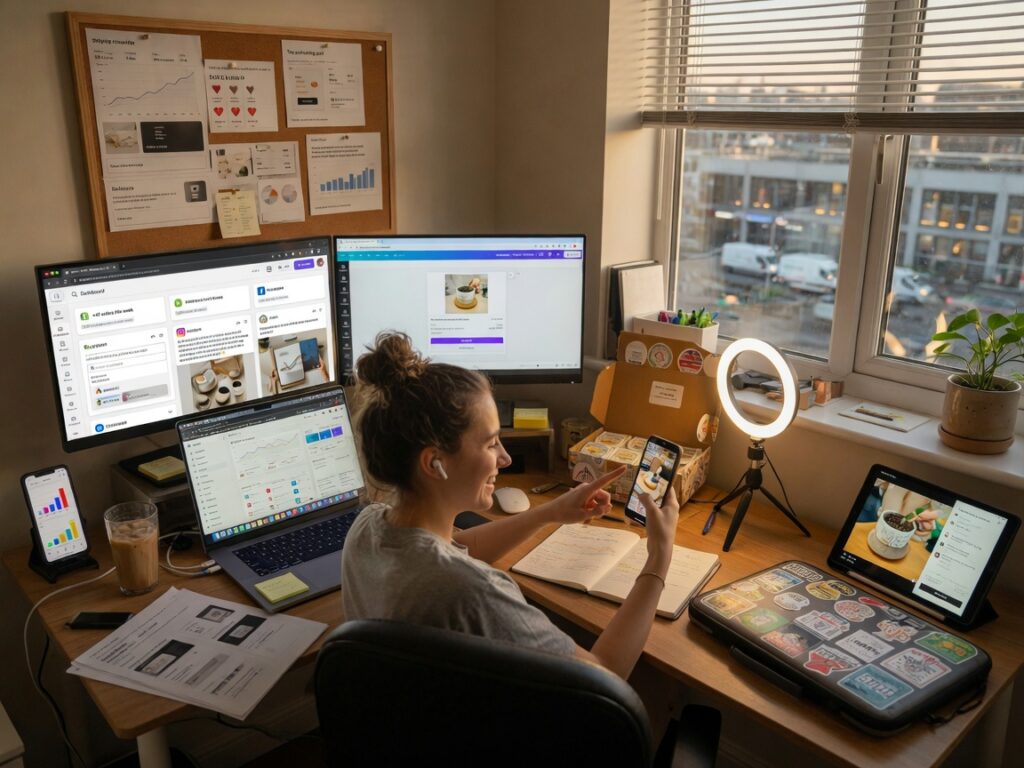
Apart from this, there are more interesting strategies used by SEO experts and marketers to help a business reach a global audience and in 2026 that toolkit has expanded considerably. Local SEO and an optimized Google Business Profile matter enormously for any Denver area business competing for “near me” searches. Email marketing, still the highest ROI channel available, deserves a permanent seat alongside social content. AI adoption itself has become a competitive differentiator, too: HubSpot’s 2025-2026 data shows 67% of small businesses now use AI for content marketing and SEO, with most adopters reporting measurably better results. The steps are still simple in concept, but they now require more technical range, which is exactly why strong perseverance and patience on the part of owners matters more, not less, when it comes to launching a website and gathering the traffic their business deserves.
Risks, Challenges & Future Outlook
The patience the original advice called for now has sharper edges. Zero click search is real: Goodfirms’ 2026 survey work finds that nearly 60% of Google searches end without a click, and Ahrefs’ large scale study found top ranking organic listings can lose more than half their click through rate on pages where an AI Overview appears. That doesn’t make SEO less important, it makes being the cited source, not merely a ranked link, the new competitive prize. Budget discipline matters too: research from Revenue Memo and the U.S. Small Business Administration suggests most small businesses still under invest, spending well below the 7-8% of gross revenue generally recommended for meaningful digital growth. Businesses that treat their web presence as a one time project rather than an ongoing investment are the ones most likely to stay invisible at the exact moment customers are deciding what to buy.
Frequently Asked Questions
1. How can a new business increase its reach through the internet in 2026? By combining a fast, mobile optimized website with SEO built for both traditional search and AI answer engines, then reinforcing it with short form video, social media, local search visibility, and email marketing.
2. Is a website still necessary if my business is active on social media? Yes. Social platforms are rented space controlled by someone else’s algorithm; your website is the one asset you own outright, and it’s still where 81% of consumers go to research a business before buying.
3. What’s the difference between SEO and AI search optimization (GEO/AEO)? Traditional SEO focuses on ranking in Google and Bing’s blue links. GEO/AEO focuses on getting your content cited or summarized inside AI generated answers from tools like ChatGPT, Gemini, and Google’s AI Overviews, a related but distinct discipline with its own best practices, like clear structure, upfront answers, and schema markup.
4. How important is web design compared to marketing spend? Extremely important. Design alone drives roughly 94% of a visitor’s first impression, formed in about 0.05 seconds, and directly affects conversion rates, so even a well funded marketing campaign underperforms if it sends traffic to a slow or poorly designed site.
5. Which social platforms matter most for a new small business in 2026? TikTok, Instagram, and YouTube now drive the majority of product discovery, and short form video consistently delivers the strongest ROI of any content format, though Facebook remains useful, especially for local and community based audiences.
6. How much should a new business budget for digital marketing? Guidance from the U.S. Small Business Administration and 2025-2026 industry benchmarks generally points to 7-10% of gross revenue for businesses under $5 million, with many small businesses currently spending well below that threshold.
7. Do AI Overviews and AI search mean SEO is no longer worth doing? No, the opposite. AI answer engines draw heavily on pages that already rank well organically, so strong SEO fundamentals remain the foundation that GEO and AEO are built on top of, not a replacement for them.
8. How long does it take to see results from SEO and content marketing? Typically several months of consistent effort, since search and AI engines need time to crawl, evaluate, and trust new or updated content, which is why the “patience and perseverance” the original playbook called for is still sound advice.
Conclusion
The fundamentals a new business needs to succeed online haven’t changed as much as the tools have. A business still needs a professionally designed website, a marketing partner who understands its industry, a real SEO strategy, and an active presence where its audience spends time, that part of the original playbook holds up perfectly well in 2026. What has changed is the depth and speed required to execute these strategies. Designers now have to capture human attention within milliseconds while also meeting Google’s Core Web Vitals. SEO now requires brands to earn visibility in both traditional search results and AI generated answers, where nearly half of all citations come from the opening portion of an article.
And “social media marketing” now focuses largely on short form video across TikTok, Instagram, and YouTube rather than static posts on Facebook and Twitter. None of these steps are individually complicated, but together they require more technical range, more consistency, and just as the original advice insisted real perseverance and patience from business owners willing to launch, measure, adjust, and keep showing up. Businesses that treat their digital presence as an evolving system rather than a one time launch are the ones most likely to turn internet visibility into the audience, the reputation, and the revenue they set out to build.
This page was updated 16th of September 2026