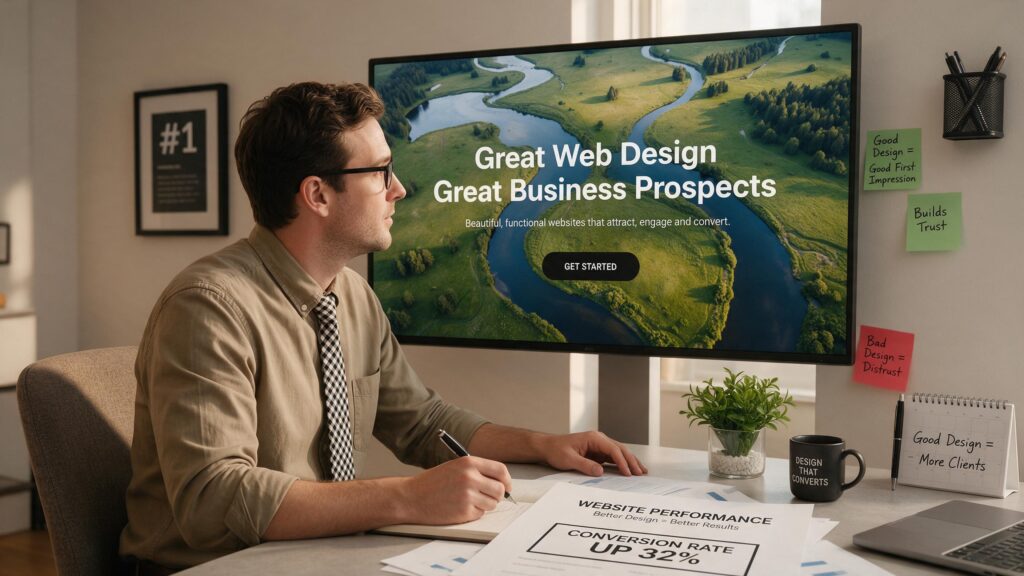
Every company needs a website to get online and widen its base. In a market where hundreds of thousands of new sites launch every single day, the website you already have isn’t just a digital brochure, it’s a living asset that either grows your prospects or quietly erodes them. That raises a fair question for any business owner: is it time to redesign your website? The answer almost always comes down to one thing, great web design, and whether the site you have still delivers it.
The website should have a great design to create a solid first impression on visitors. Poor design can hurt your business. An uninspiring website may also discourage potential customers. After all, only the site capable of grabbing eyeballs and catching attention can expect to win rewards on the internet. Visual charm is important, as only this can keep visitors hooked and interested in the site. You should thus understand the utility of web design in boosting the prospects for your business and understand exactly who does this work and how they do it.
What Web Design Actually Involves and Who Does It
Web design is the creation and maintenance of websites, drawing on a wide mix of skills and disciplines. The term describes the website design process based on a client’s requirements. Designers need strong usability skills and creative markup knowledge. They must also follow current web accessibility guidelines. Accessibility requirements have become stricter in recent years. Compliance is now increasingly important for businesses.
The different responsibilities of a web design company go well beyond just building pages. Services include websites, logos, banner ads, sketches, videos, and social media content. They may also develop marketing plans to increase traffic. These companies help clients build a stronger online presence. They turn ideas into practical digital experiences. Today, many act as long term digital partners. Modern design connects closely with performance, SEO, and content strategy.
The Design Elements That Actually Shape Your Prospects
The design element has many aspects attached to it, and your website needs to come good on them well. It starts with the home page itself, as it’s where visitors first land and get an impression of what is to come further. The designing rule says the home page should be clean and free of clutter. This will only happen when you resist the temptation of stuffing this area with everything you deem important, so you keep only the most essential information there, leaving the rest of the content for inside pages.
Further, the home page design should lure visitors into navigating further, and this is only possible when you find a balance between what is shown and what is not. Then next, only high quality images should be used, never those stretched beyond their pixel strength, since a stretched or heavy, slow loading. Use only high quality images on your website. Avoid stretching images beyond their original resolution. Large images can slow page loading. Slow pages create a poor user experience. They can also increase bounce rates and reduce potential conversions. Likewise, the navigation should be intuitive, with options clearly visible so users find a perfect way ahead without friction.
Furthermore, your design should use the right color to leave a visually lasting impression. Choose colors that make your website visually appealing and easy to navigate. Your color choices should reflect your brand identity. Use consistent colors throughout the website. This helps visitors recognize your brand and navigate the site comfortably. Your website should also use responsive design. This ensures a consistent experience across desktop and mobile devices.
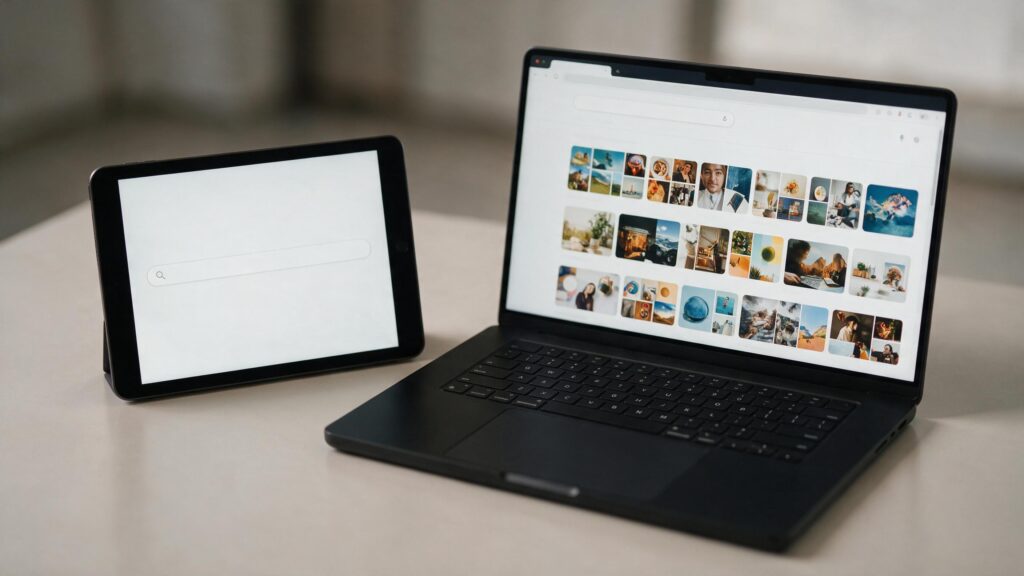
More so, responsive design helps your site give a consistent look and feel across devices, whether anyone sees your website on a desktop or a tablet, it continues to look and feel the same. Clearly, web design has different angles to it, and you should work on all of them to get a quality website.
Frequently Asked Questions
Q: How do I know if my website actually needs a redesign, or just small updates? A: If visitors are bouncing quickly, your site looks inconsistent across devices, navigation feels confusing, or your design and content haven’t changed in several years, those are strong signs a full redesign will serve you better than piecemeal fixes.
Q: Does web design really affect how much a business earns online? A: Yes. Design shapes the large majority of a visitor’s first impression, and a slow or poorly designed page measurably reduces conversions, even small delays in load time are consistently linked to real drops in conversion rate.
Q: What should I actually look for when choosing a web design company? A: Look at their portfolio and how well they explain their process, whether they’ll customize a style rather than reuse a template, how seriously they take SEO and accessibility, and how responsive they are to ongoing updates once the site is live.
Q: Is responsive design still enough for mobile visitors? A: It’s the baseline, not the differentiator anymore. Most websites are responsive today, so the real advantage now comes from genuinely mobile-first design and performance tuning, not just a layout that resizes.
Q: Why does accessibility matter for web design, not just legal compliance? A: Because a large share of websites still fail basic accessibility checks, and an accessible design both protects the business from legal risk and reaches more visitors, including those using screen readers or navigating primarily by keyboard.
Q: What’s changed in web design because of AI powered search tools like ChatGPT and Google AI Overviews? A: Websites now need to be structured for machines as well as humans, clear headings, structured data, and direct answer content, since more traffic is starting to originate from AI search tools rather than traditional search results alone.
Q: Should a small business hire a professional web design agency, or build the site itself? A: For most businesses, hiring a specialist is worth it. Balancing design, speed, accessibility, and SEO all at once is hard to do well without dedicated expertise, and a good agency treats the site as an ongoing relationship, not a one time delivery.
Conclusion
Every company needs a website to reach customers and grow its base, and the design of that website from a clutter free homepage to sharp images, intuitive navigation, cohesive color, and true responsiveness, still decides whether visitors stay or leave. But great design doesn’t happen by accident, and it doesn’t happen once. It comes from working with a web design company that treats your site as a living project: one that builds with SEO and accessibility in mind from day one, keeps content current, and stays ready to update the design as standards and expectations shift.
Wondering if your website needs a redesign? Look for outdated visuals, poor mobile performance, weak accessibility, or outdated content. These issues often signal that a redesign is needed. Choose an expert who understands both design and technical performance. You need more than an attractive website. Your site should be fast, accessible, and easy to find. You’ll get one that keeps your prospects growing instead of quietly dented.
This page was updated on 15th of September, 2026.